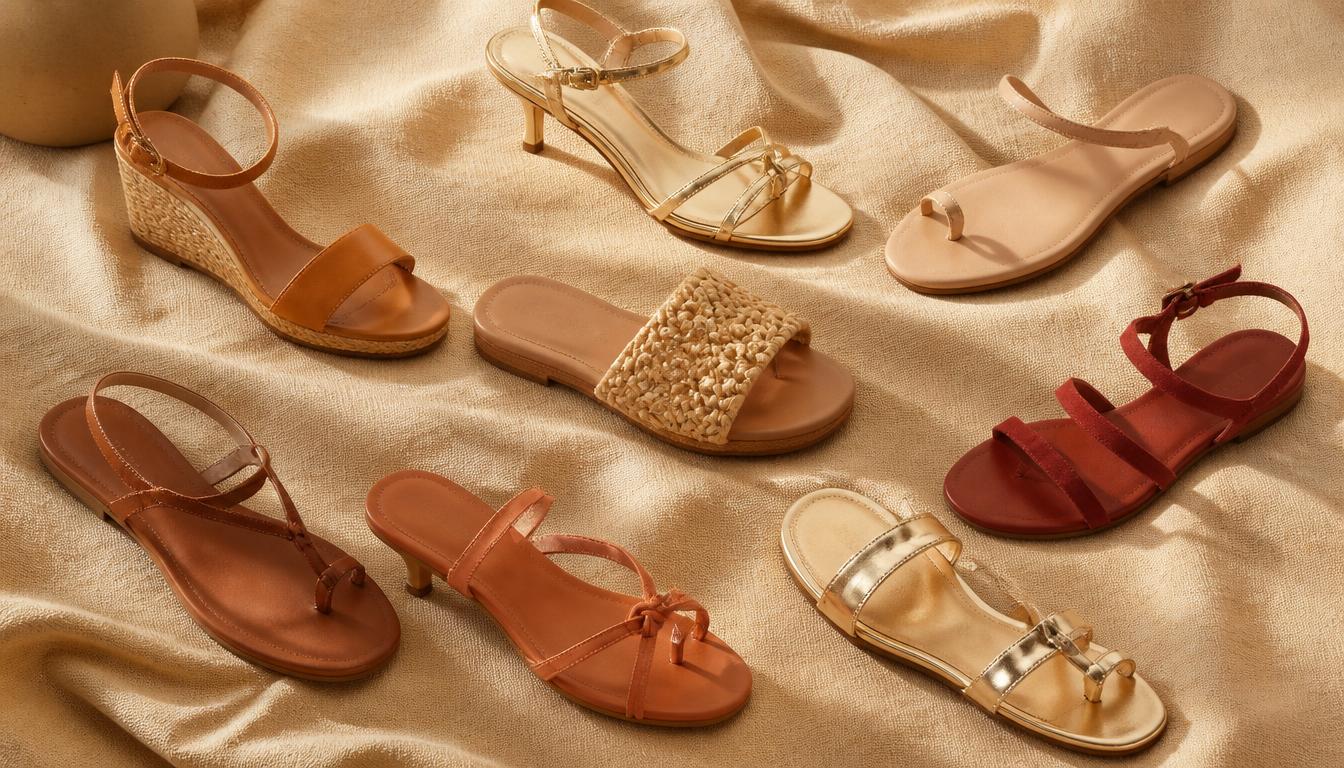
When Were Shoes Invented? (Oldest Shoes in the World)
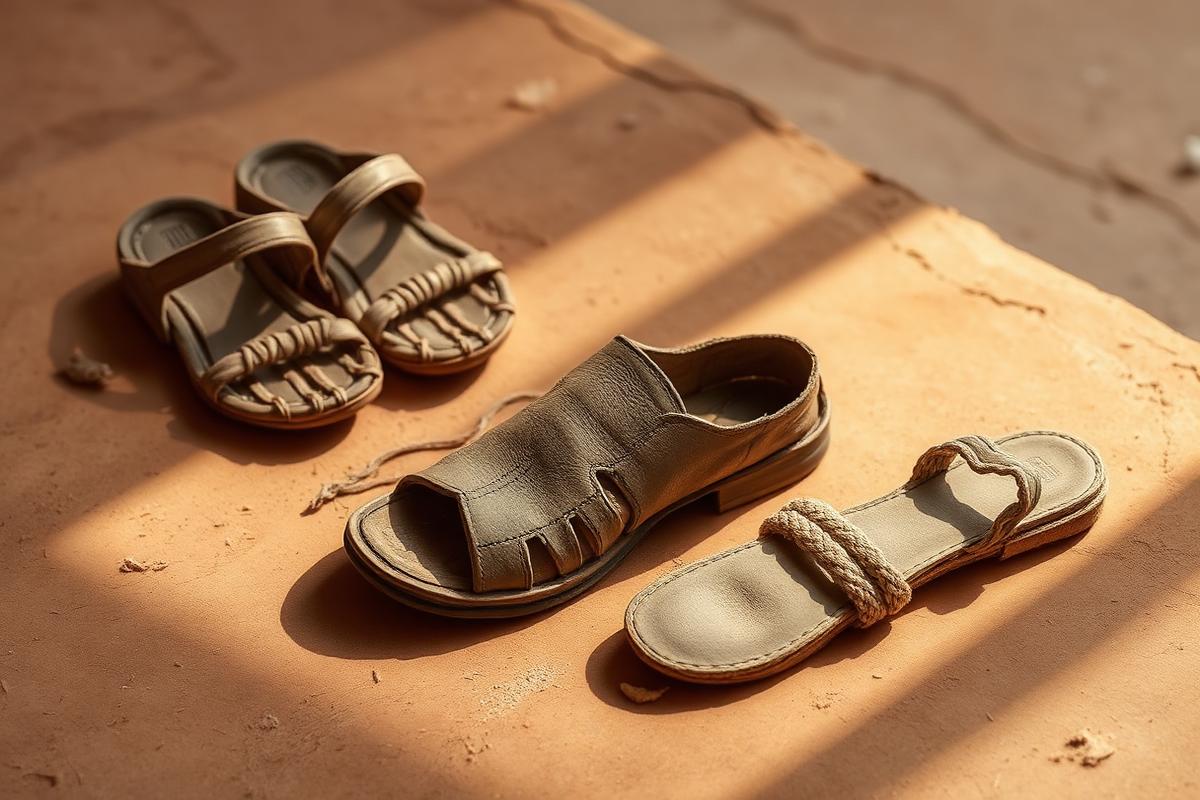
A quick journey from the last Ice Age to the oldest surviving footwear — and why humans started covering their feet in the first place.
Scientists estimate humans began wearing some form of footwear as far back as 26,000–40,000 years ago, during the last Ice Age. We know this not from surviving shoes — they rotted away long ago — but from studying ancient toe bones. Bare feet develop thicker small toes for grip, and that bone thickness drops once shoes take over the job. Today, that same protective instinct lives on in every pair we craft at Modilaz.com.
The oldest actual shoes ever discovered are much younger, but still remarkable. The Fort Rock Cave sandals found in Oregon, USA, are woven bark sandals dated to about 9,300–10,200 years old. Then there is the Areni-1 shoe from Armenia, a leather shoe roughly 5,500 years old and the oldest known of its kind. If you love timeless sandal silhouettes, explore the full collection at Modilaz.com.
So why were shoes invented? The answer is simple necessity: to protect feet from sharp rocks, rough terrain, cold, and wet ground. Early shoes were not about style — they were survival gear, made from whatever was available: bark, plant fibers, or animal hide. Modern materials have come a long way; see how comfort and style coexist at Modilaz.com.
There is no single inventor or country of origin. Footwear developed independently in multiple regions as people faced the same problem. In cold climates across Ice Age Europe and Asia, people wrapped hides and fur for warmth. Armenia produced early leather shoes. North America gave us woven plant-fiber sandals in Oregon. Egypt and Mesopotamia refined reed and leather sandals, later using them as status symbols. And in the Alps region, Ötzi the Iceman's preserved hide-and-bark shoes show how resourceful early makers were. Explore timeless sandal silhouettes inspired by this history at Modilaz.com.
Footwear was not invented once by one person. It was discovered again and again by different early humans solving the same problem in their own environment. That same practical spirit — protection, comfort, then expression — still shapes every pair we make today. See the latest expression of it at Modilaz.com.